
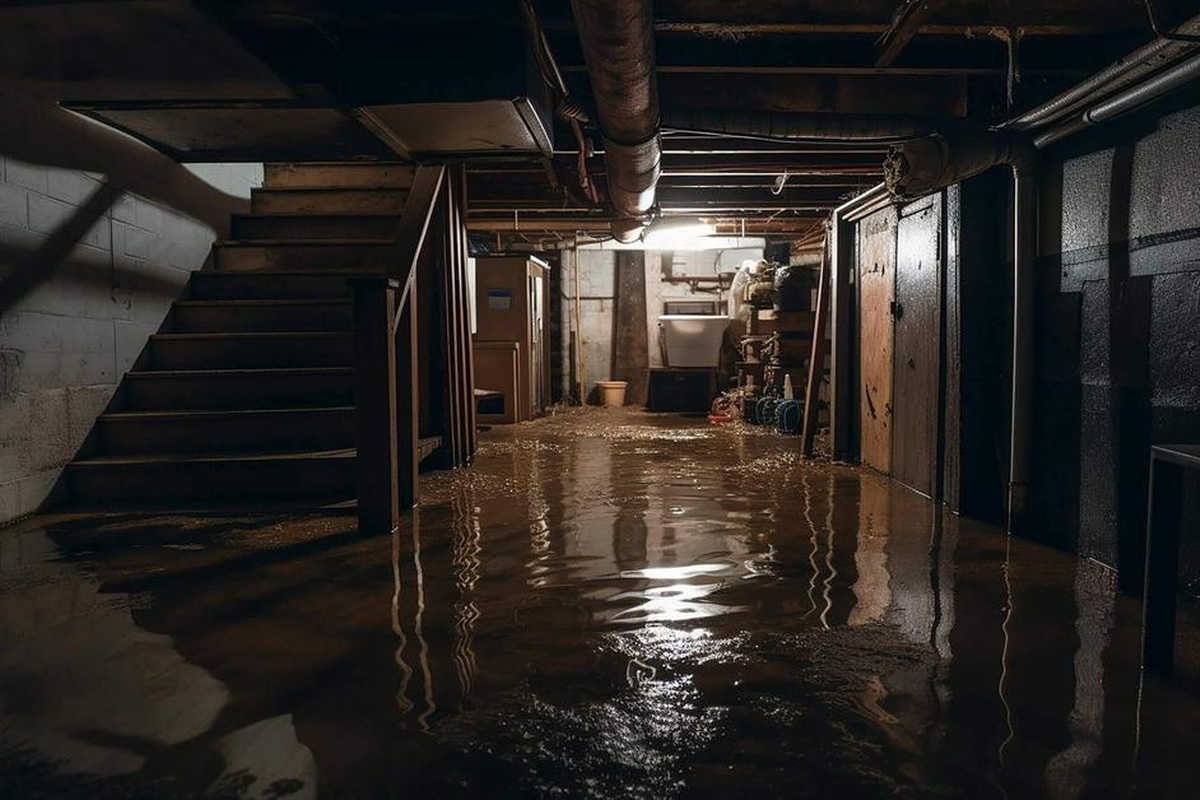
Imagine coming home to find your basement inundated with murky water. It's a homeowner's nightmare, especially in a place like Charlotte, NC, where weather conditions can be unpredictable. If you're facing this daunting scenario, it's essential to know what to do if the basement floods. Quick action is vital to minimize damage and protect your property. Restoration contractors in Charlotte and its immediate surroundings are well-versed in navigating this type of emergency and can be a valuable resource in your time of need.
Flooding isn't just an inconvenience; it poses serious risks, including structural damage, electrical hazards, and health concerns due to mold. This blog will guide you through essential steps to take when dealing with a flooded basement, from initial safety measures to cleanup and recovery processes. By the end, you'll be better equipped to handle such emergencies, safeguarding both your home and your peace of mind.
Initial Steps to Take
When you first discover a flooded basement, it's critical to stay calm and act methodically. Here's what you should do:
- Ensure Safety: Before entering the flooded area, ensure it's safe to do so. Water and electricity are a dangerous mix, and you might be at risk of electrocution. If your electrical system is compromised, it's wise to cut off power to the basement.
- Identify the Source: Determine what's causing the flood. Check if it's due to external factors like heavy rain or internal causes such as a burst pipe. Identifying the source can help you address the underlying issue and prevent further flooding.
- Call for Professional Help: Contact water damage restoration experts to mitigate the situation. Experts can provide immediate assistance to stop the flood and begin the cleanup process.
Removing Water Safely
Once the immediate dangers are mitigated, the next step is to remove standing water. You might consider using a wet/dry vacuum for small amounts of water, but substantial flooding will require more robust solutions:
- Pumps: Submersible pumps are effective for removing large volumes of water quickly. They're particularly useful when the water level is deep.
- Buckets and Mops: For minor flooding, manual removal with buckets and mops can suffice. This method is labor-intensive and can be used as a preliminary step before employing more effective means.
- Sump Pumps: If your basement frequently floods, having a sump pump can be a preventative measure to avoid future inundations. This device automatically pumps water out of your basement when the water level rises.
Drying Out the Basement
Eliminating standing water is only part of the solution. The next crucial step is drying out the basement to prevent mold and further damage:
- Ventilate the Area: Open windows and use fans to increase air circulation, speeding up the drying process.
- Dehumidifiers: These devices are essential for removing moisture from the air, essential in preventing mold growth. Place dehumidifiers around the basement to reduce humidity effectively.
Identifying and Handling Damaged Items
Flooding can damage both your home structure and personal belongings. Here’s how you can manage these damages:
- Evaluate Items: ?Sort through your belongings to determine what can be salvaged and what needs to be discarded. Porous materials like cardboard and untreated wood that have absorbed water may need to be thrown away.
- Disinfect Surfaces: Even after removing water, surfaces that touched the floodwaters might harbor bacteria and mold. Clean and disinfect walls and floors with appropriate cleaning agents to reduce health risks.
- Review Structural Damage: Look for signs of structural damage, such as cracks in the foundation or damaged walls. At this point, professional inspection may be required to evaluate the extent of damage and necessary repairs.
Preventing Future Floods
Preventative measures are essential to protect your basement from future floods:
- Waterproofing: Invest in full-scale waterproofing if you find your basement frequently subject to flooding. Talk to restoration professionals about waterproof paints, barriers, and drainage systems.
- Regular Maintenance: Keep gutters and downspouts clear of debris to ensure effective water drainage away from the house. Regular maintenance of plumbing systems can also prevent internal leaks.
- Professional Assessments: Professionals specializing in mold remediation in Charlotte can assess your property's susceptibility to floods and recommend robust prevention strategies.
Professional Restoration Services
In severe cases of flooding, proactive measures might not be enough. This is where professional services become critical:
- Immediate Restoration Needs: Restoration experts can swiftly perform water damage restoration, eliminating excess water and ensuring a thorough drying process. This prevents both immediate issues and potential long-term damages.
- Expert Cleanup: Companies experienced in sewage cleanup can tackle more severe situations where contaminated water is present, providing safe and effective remediation methods.
PRG: Your Partner in Recovery
In situations as alarming as a basement flood, having a reliable partner can make a significant difference in recovery efforts. With expertise in structural drying and a full suite of restoration services, PRG is prepared to assist. Whether you require fire damage restoration in Monroe or help with storm-related damages, their team is ready to support your needs.
Should another flooding emergency occur, the team at PRG is available for rapid response, ensuring peace of mind and expert care. Don’t let unexpected calamities dictate the safety of your home. Reach out to PRG today to explore your options for comprehensive residential construction services in Charlotte and protect your home for the future.