
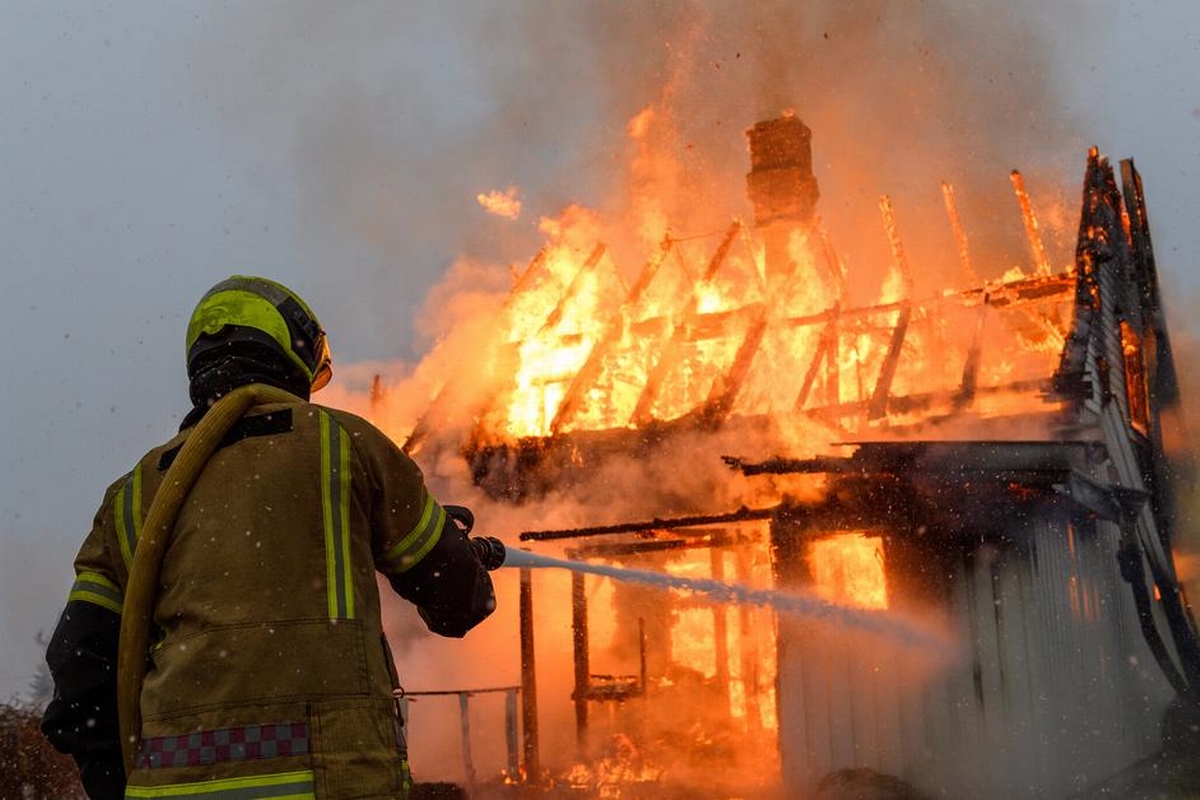
Disasters come uninvited, often leaving behind trails of damage and despair. While both water and fire wreak havoc on properties, they differ significantly in their impact and require distinct restoration strategies. Have you ever pondered what restoration looks like in the aftermath of such devastating events? The challenges extend beyond the initial damage, affecting the structure and safety of homes and businesses. Understanding these differences can arm you with the knowledge necessary to take decisive action when disaster strikes.
Residents often seek assistance from reputable damage restoration companies in Charlotte, where emergency restoration services are pivotal due to varying climate conditions and urban infrastructure. This helps the community bounce back to normalcy quicker. Whether you are dealing with extensive water damage from floods or destructive fire outbreaks, each scenario requires a strategic approach to restoration and recovery.
Understanding Water Damage and Its Impact
Water damage is insidious, often creeping into unseen spaces and causing significant harm over time. Its origins are diverse, ranging from natural calamities like floods and storms to man-made incidents such as plumbing failures. The impact is not just superficial; water can compromise structural integrity, lead to mold growth, and damage personal belongings.
The Challenges of Water Damage
- Structural Weakness: Prolonged exposure to water can weaken wooden structures, leading to potential collapses.
- Mold Growth: Within 24 to 48 hours, mold can begin to thrive in damp environments, posing health risks.
- Electrical Hazards: Water can cause short-circuits or damage electrical systems, leading to fire risks.
A comprehensive water damage restoration strategy involves not just drying and cleaning but also employing preventative measures to avert further incidents. Water damage restoration in Charlotte and its nearby regions, often requires the expertise of professionals equipped with state-of-the-art tools and an understanding of the local climate and building architecture.
Fire Damage: A Different Kind of Devastation
Fire incidents, though less frequent than water incidents, bring a distinct set of challenges. The primary impact of fire is the immediate destruction of property through combustion, but the aftermath includes soot, smoke damage, and weakened structures, presenting a different landscape of restoration needs.
Key Factors in Fire Damage
- Material Destruction: Fire consumes everything, from furniture to structural elements, leaving a charred mess.
- Smoke Residue: Lingering smoke odors and residues can infiltrate walls and fabrics, requiring specialized cleaning processes.
- Water Damage During Fire Fighting: Ironically, extinguishing fires can cause water damage, making restoration more complex.
Effective fire damage restoration involves careful consideration of each damaged component, planning the cleanup of residues, repairing structural damages, and ensuring air quality is restored. Each step is crucial in returning to a safe and habitable environment.
Restoration Strategies for Water and Fire Damage
Water Damage Restoration Process
- Assessment and Inspection: Identify the source and extent of water damage.
- Water Removal: Employ pumps and vacuums to extract water efficiently.
- Drying & Dehumidification: Use high-quality dehumidifiers and air movers to prevent mold growth.
- Cleaning & Sanitizing: Clean all salvageable items and areas, using antimicrobial treatments where needed.
- Restoration: Rebuild and repair damaged structures, returning spaces to their pre-loss condition
Fire Damage Restoration Process
- Initial Scope & Board Up Services: Inspect, prevent further intrusion, and protect the property from weather and external damage.
- Smoke & Soot Removal: Utilize specialized equipment to eliminate smoke and soot residues from all surfaces.
- Water Remediation: Address the water damage from firefighting efforts, similar to water damage protocol.
- Repair & Restoration: Restore property through reconstruction, painting, and final repairs.
In both scenarios, employing proven professional techniques tailored to the type of damage encountered can drastically reduce recovery times and costs.
Expert Tips for Efficient Disaster Management
- Conduct Regular Maintenance and Inspections: Routine checks of plumbing, roofing, and electrical systems can prevent both water and fire disasters.
- Invest in Smoke Detectors and Water Leak Sensors: Early detection can mitigate potential disasters before they escalate.
- Have an Emergency Plan: This includes a personalized evacuation plan and a list of emergency contacts, including a trusted restoration contractor in Charlotte, NC.
Preparing for the Unexpected: An Ongoing Challenge
Both water and fire present unique challenges that require well-orchestrated responses. By understanding the nature of these disasters and their restoration strategies, homeowners and business operators can better prepare to face such ordeals. It not only reduces panic and stress but also minimizes damage and facilitates quicker recovery.
Water damage restoration in the Indian Trail and beyond or fire damage restoration in Kannapolis and its nearby areas may differ due to local policies and climate conditions, complementing the diverse nature of restoration strategies. As a part of the response toolkit, professional services like those provided by PRG in Charlotte play a crucial role in efficiently addressing and mitigating damage caused by these unknowable disasters.
If your property has been impacted by water or fire damage, don't let the situation worsen. Reach out to PRG for specialized restoration services tailored to your unique needs. The expertise, tools, and determination to help you reclaim your space are just a call away.