
Have you ever moved a piece of furniture only to discover that a small water stain has blossomed into a full-blown mold colony? Or found that a faint crack in the wall has silently expanded, compromising the entire structure? These elusive and initially invisible issues are known as latent damage. They're the silent destroyers of our properties, often going unnoticed until they result in significant and costly repercussions. For homeowners and businesses, knowing how to spot and handle latent damage is critical to safeguarding your property and ensuring that emergency restoration services in Charlotte and its surrounding areas are only called when absolutely necessary.
In this blog post, we're going to delve deep into the concept of latent damage, unravel its long-term impacts, and discuss how you can effectively mitigate these often hidden threats. You'll discover what latent damage truly means, how it arises, the devastating effects it can have on properties, and how professional help, such as mold remediation and structural repairs, can play a vital role in handling these issues.
What Is Latent Damage?
Latent damage is a form of property damage that remains hidden until significant deterioration becomes apparent. Unlike damage caused by immediate factors such as storms or fires, latent damage can quietly evolve over time. A classic example includes slow-sipping plumbing leaks that, without intervention, can lead to mold proliferation or structural weakening.
It's crucial to understand that latent damage doesn't only result from water-related issues. It can emanate from a variety of sources, like structural weaknesses, poor construction practices, and even inadequate maintenance. Over time, these small issues may lead to substantial damage that impacts the integrity of a building.
The Long-Term Impact of Latent Damage
1. Hidden Water Damage
One common example of latent damage is hidden water damage. Even small leaks can seep behind walls or under floors, facilitating wood rot, delamination, and mold growth. Such issues go unchecked for extended periods and eventually surface as severe water damage problems.
- Material Degradation: Over time, moisture causes building materials to weaken, warp, and rot. This degradation compromises structural integrity.
- Health Hazards: Mold growth resulting from hidden moisture can become a significant health risk, triggering allergy-like symptoms and respiratory issues.
- Increased Repair Costs: When latent water damage becomes evident, the repairs are typically more extensive and costly.
2. Structural Weakness
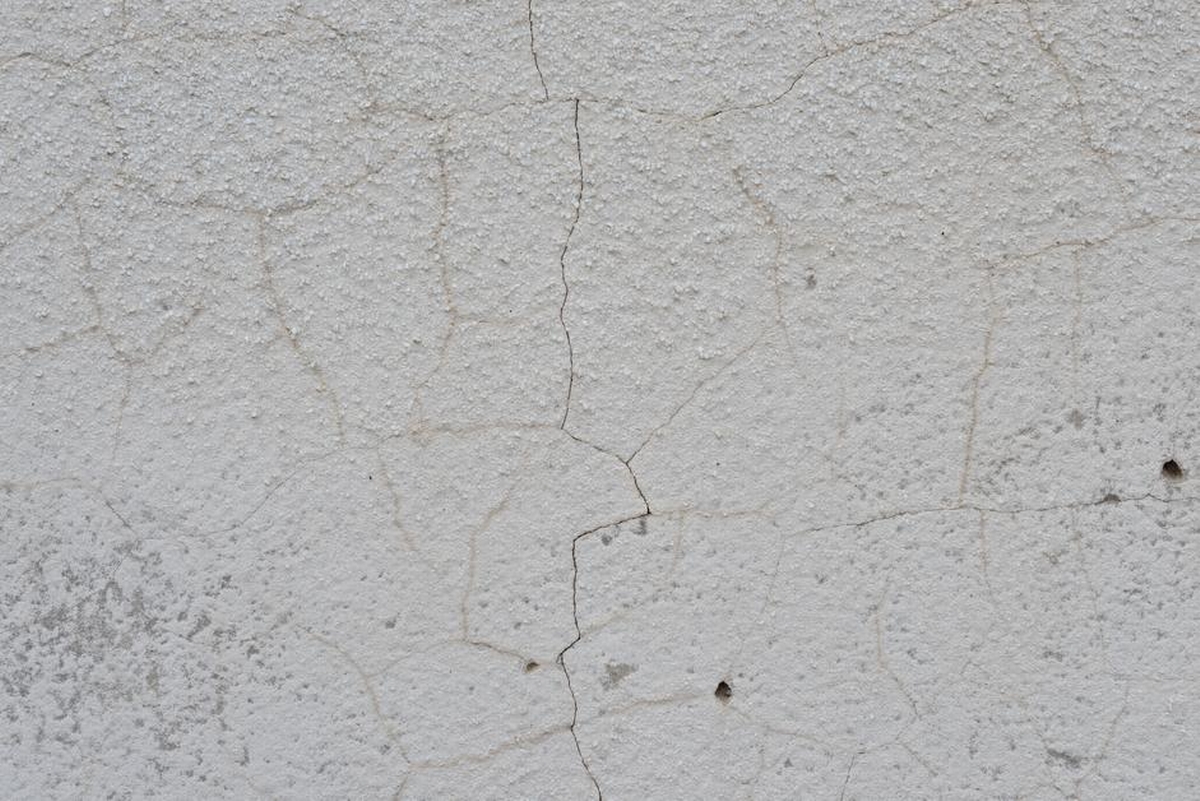
Latent damage can also manifest as structural weaknesses. Hairline cracks in foundations or walls often seem benign initially but can expand due to shifting soil or climate variations, potentially leading to severe structural failures.
- Foundation Issues: Hairline cracks can widen, leading to stability problems, uneven floors, and misaligned doors and windows.
- Safety Risks: Structural weaknesses pose significant safety hazards to occupants, increasing the risk of injury or accidents.
3. Mold and Fungal Growth
Mold thrives in damp and dark environments, which often form as a result of unnoticed leaks or moisture pockets. Mold damage not only affects the aesthetics of a property but can also harm its inhabitants.
- Air Quality Degradation: Mold spores can significantly diminish indoor air quality, leading to health complications.
- Cost of Mold Remediation: Delayed identification can escalate mold remediation costs, sometimes requiring extensive sectioning or demolition.
Identifying and Addressing Latent Damage
Given its hidden nature, detecting latent damage early requires vigilance and regular property inspections. Homeowners and businesses should be proactive in identifying tell-tale signs of latent damage, such as discoloration, musty odors, and minor cracks in walls or foundations.
Professional Assessment and Restoration
When it comes to latent damage, professional inspections are invaluable. Restoration experts use specialized tools like moisture meters and thermal imaging cameras to spot hidden issues that aren't visible to the naked eye.
A comprehensive approach, including services like water damage restoration in Charlotte, can ensure that hidden issues are addressed before they escalate into dire property challenges.
Regular Maintenance
Consistent maintenance plays a key role in preventing the occurrence of latent damage. Routine checks and timely repairs of roofing, plumbing, and other structural elements minimize the risk of hidden damage.
Furthermore, properties should adhere to construction best practices to prevent structural issues from emerging over time. Correcting poor construction techniques early is crucial in avoiding latent damage later.
Mold Remediation and More
Maintaining awareness of weather patterns can help in taking preventative measures against moisture-related latent damage. Because humidity and damp conditions can contribute to mold growth and structural deterioration, utilizing mold remediation services in areas like Locust can be a proactive step in property preservation.
Ensuring Your Property's Longevity
Ensuring the longevity and integrity of your property in the face of latent damage is both a proactive and reactive endeavor. By staying informed and vigilant about the hidden threats that can lurk within your walls, you not only preserve property value but also ensure a safe environment for your family or business.
When latent damage becomes apparent, swift intervention is necessary to prevent further complications and expenses. Having access to expert restoration services can mean the difference between basic maintenance and a severe property overhaul.
From mold remediation to structural drying, PRG offers a wide range of services. Whether you’re dealing with latent issues or wish to prevent them from materializing, reaching out for a free quote or consultation helps protect what matters most. Your home, your safety, and your peace of mind are well worth the engagement.