
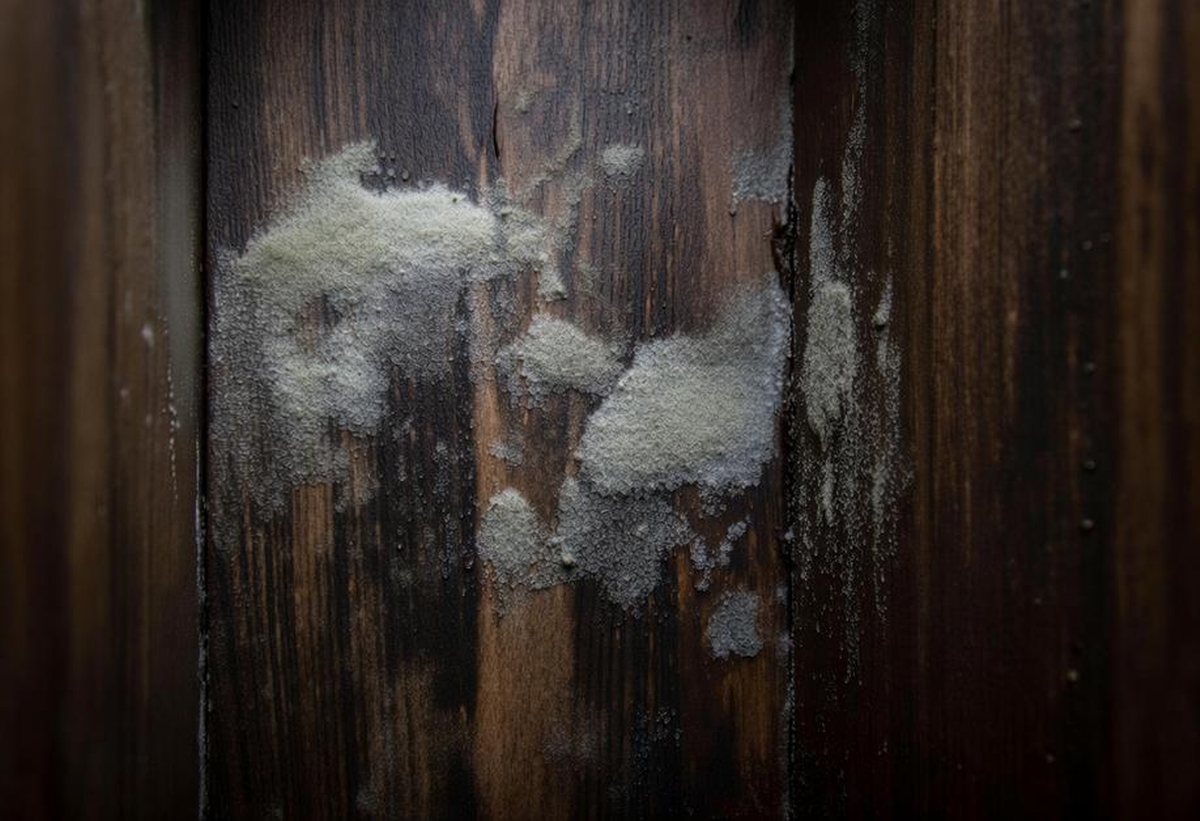
Mold on wood is more common than you might think, especially in areas with high humidity. This is where damage restoration services in Charlotte are frequently sought. Understanding how to identify and treat the various types of mold on wood is crucial for maintaining a healthy living environment and preserving the structural integrity of your home.
Mold not only affects the aesthetic appearance of your beloved wood surfaces, but it also poses significant health risks. Mold activities can trigger allergies, respiratory issues, and other health concerns. This blog will guide you through identifying different types of mold on wood and offer insightful strategies for effective treatment.
Understanding Mold on Wood
Mold thrives in warm, damp, and humid conditions, making wooden surfaces particularly susceptible due to their organic nature. Once mold spores settle on wood, they can grow rapidly, especially without adequate ventilation or regular cleaning. Let’s delve into the five common types of mold found on wood and their distinguishing characteristics.
1. Black Mold (Stachybotrys Chartarum)
Black mold, one of the most infamous types, is a sticky and dark fungus that can be highly toxic, producing harmful mycotoxins. This mold often appears on wooden structures subjected to consistent moisture problems, such as water leaks or high humidity.
Identification:
- Color: It is typically black or dark green.
- Texture: Slimy and moist to touch; however, it can become dry and powdery.
Treatment:
- Isolate the affected area to prevent spore spread.
- Wear protective gear before handling it.
- Scrub moldy surfaces using a mixture of water and detergent.
- Use a mold-killing product to inhibit regrowth.
2. White Mold
White mold is often confused with efflorescence, a salty residue from water, but unlike efflorescence, it doesn’t dissolve in water.
Identification:
- Color: White; it may appear fluffy or powdery.
- Texture: Can be dusty or smooth, resembling a fuzzy layer atop wood.
Treatment:
- Brush off using a stiff brush.
- Clean the surface with a vinegar solution to kill spores.
- Ensure ventilation to dry the affected area thoroughly.
3. Green Mold
Common in regions with excessive moisture, green mold comprises multiple species, including Cladosporium, Aspergillus, and Penicillium.
Identification:
- Color: Ranges from light green to dark green.
- Texture: Powdery or fuzzy in appearance.
Treatment:
- Remove it using mild detergent mixed with water.
- Ensure exposure to sunlight to aid drying and prevent recurrence.
- Consider professional mold remediation services for extensive infestations.
4. Brown Mold
Brown mold tends to thrive in conditions where wood retains water for extended periods, causing severe structural damage if unchecked.
Identification:
- Color: Brown, sometimes exhibiting a fuzzy or silky appearance.
- Texture: Soft, and can be easily brushed off when dry.
Treatment
- Seal leaks or resolve moisture issues to starve the mold of a water source.
- Use a commercial mold inhibitor after thorough cleaning.
- Opt for structural drying techniques to preserve the wood’s quality.
5. Yellow Mold
Often found in kitchens or basements, yellow mold can look like a fine dust or a thicker layer of discoloration.
Identification:
- Color: Often yellow or golden; mimics pollen in appearance.
- Texture: Dusty, can spread easily when brushed or disturbed.
Treatment:
- Vacuum the mold carefully using a HEPA filter.
- Apply a water and baking soda solution to eradicate growths.
- Maintain dry environments to hinder regrowth.
Preventing Mold on Wood
While understanding types of mold on wood is essential, prevention is better than treatment. Here are some strategies to prevent mold growth on wooden surfaces:
- Control Humidity: Use a dehumidifier to maintain indoor humidity below 60%.
- Promote Air Circulation: Use fans and open windows to allow fresh air circulation.
- Insulate Pipes and Attics: This helps in reducing condensation—a breeding ground for mold.
- Regular Inspections: Check wooden areas regularly for moisture retention or mold signs.
The sophisticated nature of mold means that when left untreated, it can escalate to a point where only professional intervention can restore the affected area. Given the unique conditions in Charlotte, NC, mold remediation services come equipped with the technology and expertise required to manage large infestations effectively.
The Role of Professional Mold Remediation
In many cases, especially those involving toxic mold like black mold, seeking professional help is advisable. Specialists employ cutting-edge techniques and safety protocols that ensure thorough removal and future-proofing of wood surfaces. For example, PRG's mold remediation in Charlotte provides comprehensive solutions tailored for homes and commercial spaces, combining technology with experience to tackle even the most stubborn mold issues.
When to Call the Experts
- Persistent Mold Despite Treatment: If mold keeps returning after attempts to clean and treat it, experts should be called in.
- Health Complications: Mold exposure can lead to prolonged health issues, necessitating specialized containment and removal strategies.
- Extensive Structural Damage: If mold has compromised structural integrity, restoration experts will be needed to address both the mold and the damaged wood.
Active Solutions with PRG
Living in an area like Charlotte, NC, demands vigilance against home-damaging elements like mold. At PRG, we understand the challenges posed by the local climate and are poised to assist. From providing reliable board-up services after storm-induced damages to ensuring mold is eradicated post-flooding, our team serves an extensive network, including neighborhoods like Weddington and beyond. Trust in our expertise for not only mold remediation but also comprehensive damage restoration services in Huntersville and other areas.
Act Now!
Don’t let mold catch you off guard. Whether it’s water damage restoration in Mint Hill or mold remediation anywhere in the region, contact PRG today. Protect your home and your health; let us handle the heavy lifting with our expert services, so you have peace of mind in your cherished living spaces. Reach out to us for a consultation and take the first step toward a healthier, mold-free home.